Warmth That Hugs Your Home From the Ground Up
Step into the quiet elegance of radiant floor heating for discreet whole-home comfort, where gentle, low-temperature warmth flows evenly beneath every room. Discover how it works, why it feels naturally soothing, and how it pairs with modern efficiency for healthier air, calmer mornings, and wonderfully barefoot evenings. Share questions as you read and subscribe for future updates.

Heat That Rises Quietly: How the System Delivers Calm, Even Comfort

Hydronic or Electric: Choosing the Right Backbone
Hydronic systems circulate warm water through tubing, partnering beautifully with heat pumps or condensing boilers and offering superb efficiency across large areas. Electric mats or cables excel in targeted spaces and quick renovations, shining in bathrooms or kitchens. Consider project scope, energy costs, height build-up, and future maintenance to select the system that fits your lifestyle and budget.
Thermal Mass, Response Time, and Comfortable Setbacks
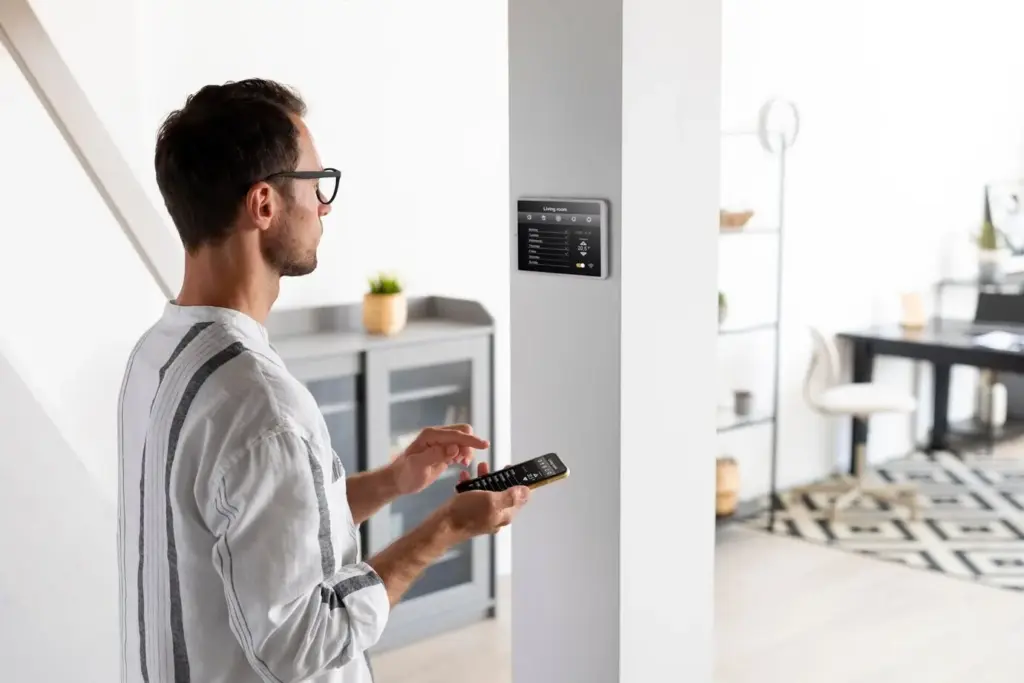
Concrete slabs provide excellent thermal mass, smoothing temperature swings and extending comfort into the evening. Thin-set or low-profile panels respond faster but store less heat, helpful during shoulder seasons. Calibrated setbacks preserve efficiency without chill, and predictive controls anticipate changes, so the floor is pleasantly warm precisely when you wake, cook, or unwind after work.

Zoning and Controls for Every Room’s Rhythm
Create zones for bedrooms, living areas, and bathrooms, ensuring the right warmth where and when you want it. Individual thermostats and smart sensors balance comfort with thrift. Modern apps coordinate schedules, manage vacation modes, and even adapt based on occupancy, so you enjoy consistent, personalized warmth while avoiding unnecessary energy use across quieter rooms.
Design Decisions That Set the Stage for Effortless Daily Warmth
Good planning transforms nice results into unforgettable comfort. Accurate heat-loss calculations, careful insulation, and attention to floor build-up ensure balanced performance and long-term reliability. Coordinate early with architects and installers to align floor coverings, door thresholds, and ceiling heights, preserving graceful lines. Thoughtful details today unlock a lifetime of smooth, dependable, and unobtrusive heat tomorrow.
New Build, Remodel, or Single-Room Upgrade
In new construction, integrated tubing or mats fit seamlessly into the build, maximizing efficiency and design freedom. During remodels, low-profile panels and self-leveling compounds reduce height challenges. For single rooms, targeted electric options simplify timelines. Evaluate structural limits, moisture conditions, and budget, then phase work intelligently to minimize disruption while capturing the most meaningful comfort gains.
Insulation, Vapor Control, and Quiet Floors
Under-slab insulation, edge isolation, and properly taped vapor layers keep heat where it belongs, combating loss and condensation. Decoupling membranes tame movement and acoustic transfer, making footsteps feel softer. These less-visible layers profoundly shape performance, letting the system run cooler, reduce energy use, and protect finishes while preserving the tranquil, effortless feeling that defines radiant comfort.
Floor Coverings That Love Gentle, Low-Temperature Heat
Tile and stone transmit warmth beautifully, delivering crisp, even heat. Engineered wood and luxury vinyl planks thrive when rated for radiant applications, while carpet should be low-tog with compatible underlay. Use adhesives tested for elevated, yet modest, temperatures. With informed choices, your preferred style aligns with reliable, efficient heating that delights feet and eyes every single day.
Pairing With Modern Heat Pumps and Condensing Boilers
Radiant floors love low supply temperatures that heat pumps deliver efficiently and condensing boilers exploit for maximum return. Outdoor reset curves and modulating equipment maintain gentle, steady warmth. This synergy enables comfortable operation through varying seasons while protecting budgets. By matching sources and emitters thoughtfully, you unlock durable efficiency without sacrificing the cozy, familiar feel underfoot.
Smart Thermostats, Learning Schedules, and Weather Anticipation
Learning thermostats notice habits, preheating gently before peak activity and holding steady through long evenings. Geofencing trims energy when you’re away, then restores warmth before you arrive. Some systems track forecasts to anticipate cold snaps. With open-window detection and adaptive tuning, controls reduce waste while preserving the serene atmosphere that makes every room feel naturally inviting.
The Installation Journey: From First Sketch to First Barefoot Steps

What Happens Day by Day During a Typical Project
Expect surface prep, layout snapping, insulation placement, and tubing or cable setting, followed by testing and careful covering. Hydronic manifolds are labeled, balanced, and insulated, while electric circuits are metered before and after embedding. Cure and acclimation periods follow. Finally, controls are programmed, allowing a slow, protective start-up that preserves finishes while delivering steady, satisfying warmth.
Budgeting With Confidence and Avoiding Surprise Extras
Costs vary with area size, structural conditions, chosen system, and finish materials. Request itemized quotes showing design, labor, controls, and commissioning. Clarify contingencies for subfloor repairs and height adjustments. Ask about warranties, service plans, and efficiency projections. Transparent communication helps you prioritize comfort goals, phase work sensibly, and enjoy results without costly detours or rushed decisions.
Safety, Standards, and Documentation That Protect Your Investment
Look for pressure and insulation resistance test records, wiring diagrams, manifold labeling, and water quality notes. Electric installations need dedicated protection and code-compliant sensors; hydronic loops require mixing and overheat safeguards. Keep manuals and serial numbers organized. These documents simplify service, preserve warranties, and ensure your heating system remains trustworthy, traceable, and confidently maintained for years.

That First Winter Morning in the Kitchen
A homeowner described padding in half-awake, expecting cold tile, then pausing, smiling, as gentle heat climbed through their slippers. Coffee tasted richer, music sounded crisper, and the room felt welcoming without any fan noise. Over winter, they noticed calmer routines and fewer thermostat arguments, as every corner reached the same peaceful, predictable comfort without hot-and-cold surprises.

Cleaner Air, Fewer Drafts, and Quieter Nights
By relying less on moving air, dust and allergens stay calmer, and rooms avoid abrupt temperature swings that chase you from vent to vent. The quiet is striking—just steady warmth, no cycling blasts. Families report better sleep, clearer conversations, and an overall softness to daily living that feels restorative, especially during long winters or rainy transitional seasons.
Simple Seasonal Checks You Can Do in Minutes
Glance at manifold gauges, ensure actuators move freely, and confirm thermostats follow schedules accurately. Vacuum dust from mechanical spaces, update control firmware, and review setback times as seasons change. If you’ve added rugs or moved furniture, reassess coverage. These small habits keep warmth consistent, energy use trimmed, and the home’s serene atmosphere comfortably intact year-round.
Avoiding Pitfalls: Overheating Wood, Trapped Air, and Overzealous Setbacks
Match floor coverings to radiant-friendly specifications and verify temperature limits to protect finishes. For hydronics, purge air and balance flows to prevent stubborn cold loops. Avoid aggressive setbacks that force catch-up spikes. With sensible limits, steady circulation, and attentive commissioning, you preserve the system’s signature calm while protecting materials and ensuring every step feels evenly welcoming.
When to Call a Pro and What to Expect During a Service Visit
If comfort falters, expect technicians to measure supply and return temperatures, inspect pumps or sensors, confirm resistance readings, and test safety devices. They will review control logs, verify zoning, and compare performance against design data. Clear documentation speeds solutions. Don’t hesitate to ask questions, share observations, and schedule annual checkups for ongoing, effortless reliability and delightful warmth.
All Rights Reserved.