Quiet Strength: Seamless Security in Glass, Sensors, and Light
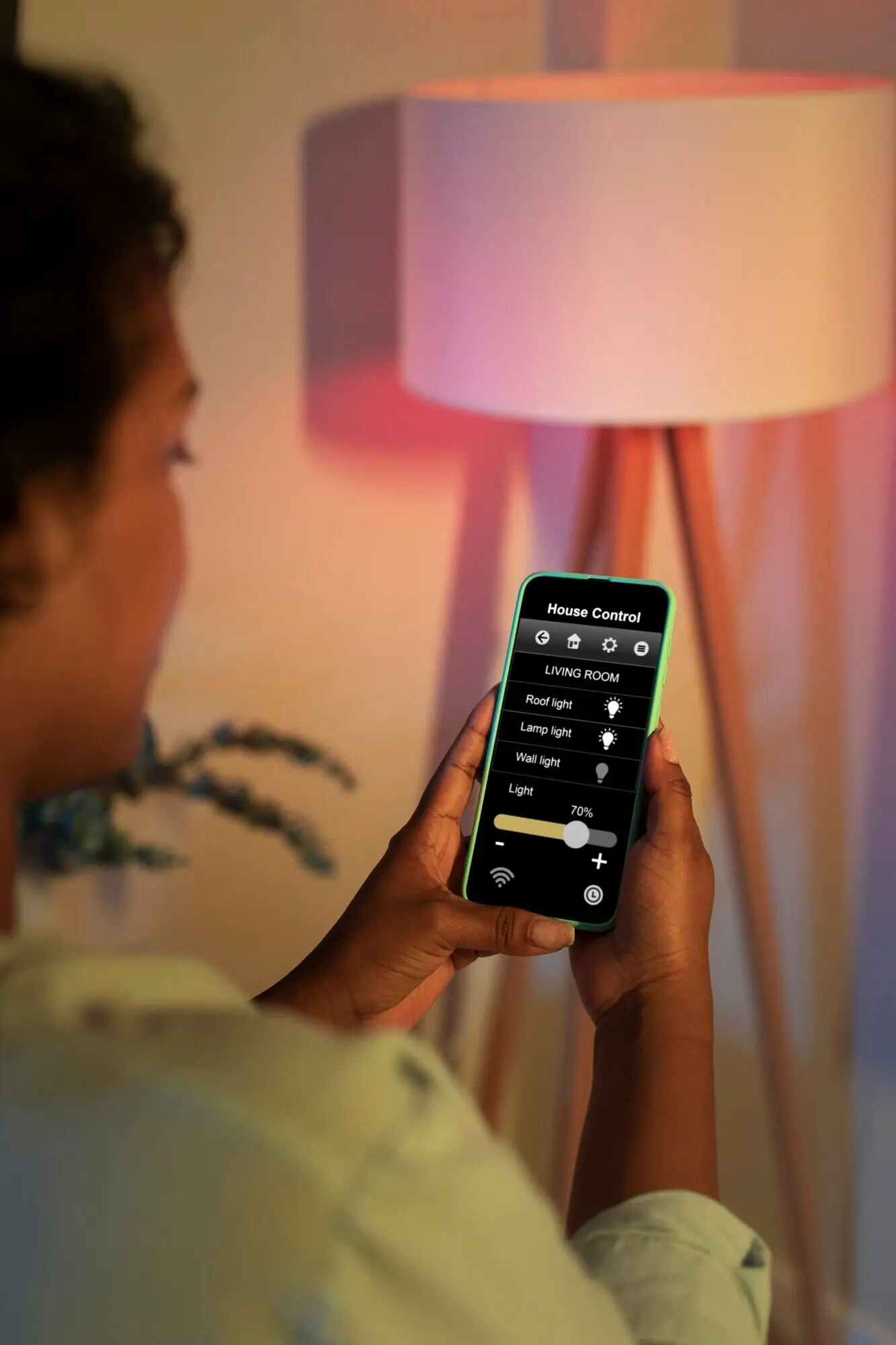

Today we explore unobtrusive security layers with laminated glass, contact sensors, and privacy glazing, uniting elegance and resilience in ways that reduce visual clutter while elevating comfort. Learn how materials, detailing, and quiet technology create welcoming places that resist impact, deter intrusion, manage views, and preserve light, so safety feels natural, not announced.

Comfort that calms without signaling danger

Security often fails when it shouts. Signs, bulky grilles, and exposed gadgets can inadvertently raise anxiety. Invisible layers, by contrast, protect while letting architecture breathe. Laminated glass holds form under stress, contact sensors whisper status, and privacy glazing adapts to moments, ensuring occupants feel considered, not controlled, and experience quiet confidence rather than constant reminders of risk.

Resilience against impact, intrusion, and noise

Resilience should include more than blast charts and break-in minutes. It should also include recovery, continuity, and the way people feel after an incident. Laminated glass resists shattering and holds fragments, contact sensors alert early, and privacy glazing shields sensitive moments, collectively enabling operations to continue gracefully while reducing noise, glare, and opportunistic entry without an aggressive or fortress-like posture.

Design harmony across frames, hardware, and glass

Security can disappear into proportion, finish, and alignment. When frames conceal wiring paths, hardware echoes the metal palette, and laminated lites match sightlines, the result is a coherent expression. Privacy glazing respects daylight rhythms, and sensors nest within rebates. The whole composition reads as intentional architecture, not add-ons, so protective performance strengthens the design narrative instead of distracting from it.
How PVB and SGP interlayers manage energy and fragments
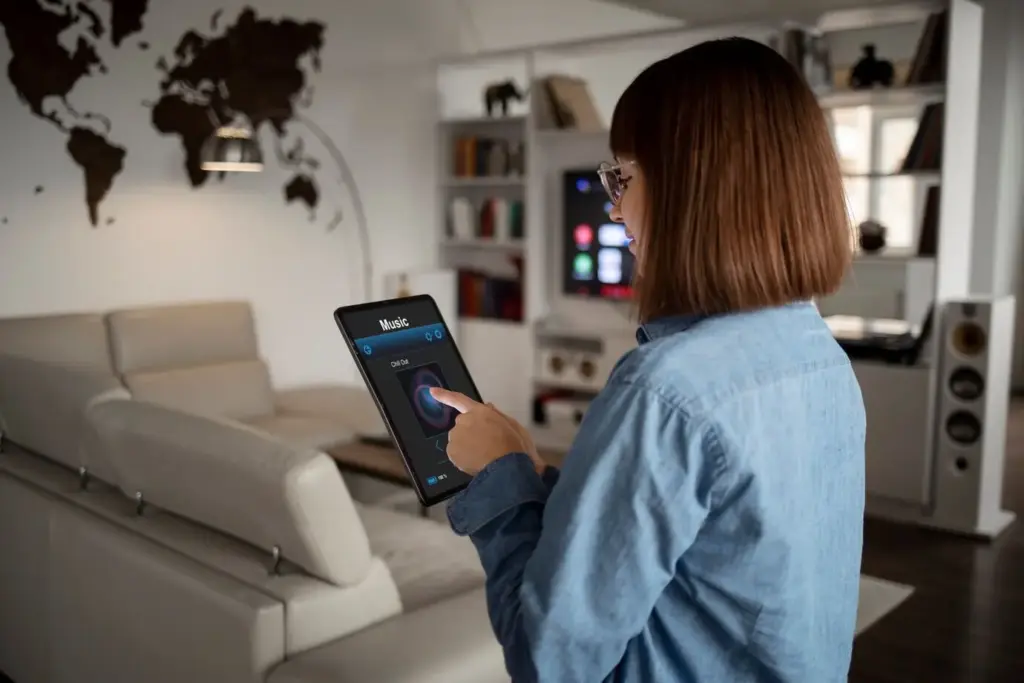
Under impact, interlayers stretch and redistribute force, keeping shards bonded and delaying breach. PVB typically offers excellent acoustic and UV performance, while SGP adds higher stiffness, edge stability, and post-breakage load capacity. Choosing between them depends on span, wind, impact threats, and desired sightlines. Proper edge sealing and compatible sealants keep clarity high and delamination risks low over years of service.

Standards, ratings, and meaningful test language

Look beyond marketing terms and request clear test references. For forced-entry resilience, EN 356 classifications like P6B to P8B communicate resistance to repeated strikes. Safety requirements often reference ANSI Z97.1 or CPSC 16 CFR 1201. Structural checks use ASTM E1300 guidance. For sound, STC and OITC matter. Aligning these metrics with actual threats helps avoid overbuilding while preserving elegant transparency.

Contact Sensors That Vanish into the Frame

Discreet contact sensors monitor doors, windows, and sidelights without visual fuss. Concealed reed switches sit within frames; magnetic gaps are tuned to tolerances so false alarms remain rare. Hardwired loops offer longevity and stable supervision, while select wireless options add flexibility. The key is disciplined routing, tamper awareness, and integration that reports clearly without turning thresholds into blinking gadget galleries.

Selecting the right sensing approach for each door and lite

Consider swing direction, frame material, thermal movement, and cleaning routines. Mortised reed switches blend into wood or metal and tolerate everyday use. Surface-mount units support fast retrofits when drilling is constrained. High-security versions reduce magnetic defeat risks. Pair sensors with balanced magnetic contacts where required, and map them to zones that tell a meaningful story during alarms and after-hours diagnostics.

False alarms, shielding, and maintenance habits

A silent system is not a sleeping system. It is a tuned system. Use end-of-line resistors for supervision, shield long runs to reduce interference, and avoid routing in noisy bundles near motors. Document gap tolerances for seasonal movement. Schedule periodic tests aligned with janitorial cycles. Train staff to report sticky closers and misaligned strikes before they become nuisance alarms or costly service tickets.

Smart integrations without the gadget clutter

Great integrations feel invisible. Tie contact sensors into access control, intrusion panels, and building platforms through secure interfaces. Use logical rules instead of constant push alerts. For homes, Matter and HomeKit can simplify routines. For commercial, BACnet or secure APIs unify status. Present dashboards that prioritize exceptions, protect privacy, and support incident review without turning lobbies into tech showrooms or distraction zones.

Privacy Glazing that Adapts to Mood, Light, and Law

Privacy glazing balances openness with discretion. Switchable PDLC turns opaque on demand for consultations or focus. Electrochromic systems modulate tint to manage glare. Laminated decorative interlayers add diffusion without electronics. Selecting the right approach means weighing switching speed, haze, power consumption, acoustics, and code-driven sightline needs, so occupants enjoy daylight and dignity in equal measure across changing moments.

Comparing PDLC, electrochromic, and laminated opaque interlayers

PDLC excels at fast, binary on-off privacy with familiar haze in the diffused state. Electrochromic glass darkens gradually, favoring glare and solar control over total visual blocking. Opaque or patterned interlayers provide always-on discretion and graphic opportunities. Consider duty cycles, power needs, maintenance access, and the tactile experience of switches or automation, ensuring transitions feel purposeful rather than jarring or theatrical.

From clinics and banks to homes and studios

Applications vary widely. In clinics, switchable partitions protect patient dignity while staff maintain sightlines. In banks, transaction windows obscure sensitive paperwork. Creative studios toggle privacy for prototypes without sacrificing daylight. Residences use bathroom panels and street-facing windows for instant relief. Each context demands appropriate controls, clear states, and reliable fail-safes so users trust the glass to behave every single time.

Daylight, glare, and energy performance together

Privacy should not cancel daylight. Balance visual privacy with solar heat gain, glare, and circadian support. Combine privacy glazing with spectrally selective coatings or exterior shading to maintain view and comfort. Provide user-friendly scenes that coordinate switches with lighting levels. When integrated thoughtfully, spaces retain bright, even illumination, which helps productivity, reduces eye strain, and lowers cooling loads during peak hours.

Detailing Layers for Clean Lines and Quiet Confidence

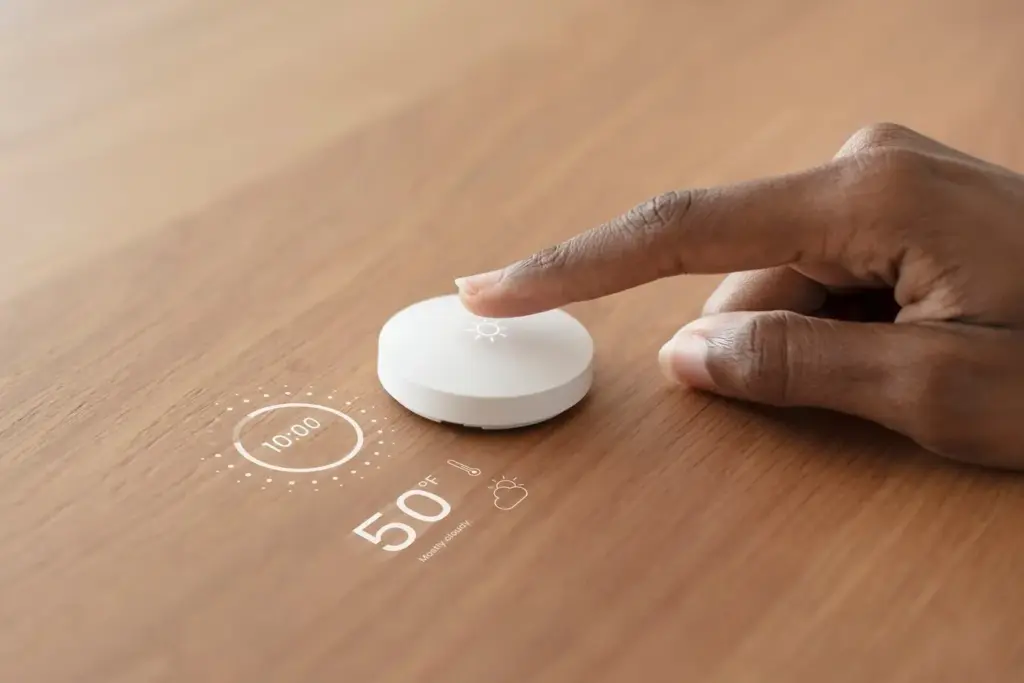
Details decide whether security reads as calm or chaotic. Frame profiles should accommodate laminated edges without squeezing interlayers. Stops and gaskets must prevent rattle. Cable paths deserve planned cavities and strain relief. Sensor placement should anticipate field tolerances. Sealants must match chemistry and UV exposure. These choices deliver robust performance while letting surfaces remain beautifully simple and easy to maintain.

Field Notes: Stories Where Subtle Security Made the Difference

A gallery night, a thrown brick, and glass that stayed put

During a crowded opening, a brick struck the storefront. The laminated lite spidered but held, buying time. Contact sensors flagged the event, and staff calmly guided guests away while exhibits remained protected. Cleanup happened after hours, no shards spilled outside, and the neighborhood remembered the art, not the incident, as insurance praised the measured, nearly invisible preparation woven into the facade.

A hospital sanctuary that turns opaque when needed

A behavioral health unit introduced PDLC partitions in quiet rooms. Staff observed calmer patient transitions because dignity was preserved without heavy curtains. In emergencies, clear mode supported observation. Combined with sturdy laminated panels and supervised door contacts, the ward gained both softness and control. Families remarked that the space felt respectful rather than clinical, even while safety protocols operated continuously in the background.

A historic townhouse renewed without loud tech

A retrofit team avoided surface gadgets by concealing contacts in refurbished jambs and selecting thin laminated profiles to match period muntins. Privacy glazing solved street-level exposure during dinners. Wiring piggybacked on restored cavities, and no glossy gadgets cluttered sightlines. The result respected heritage while improving security. Neighbors noticed brighter rooms and quieter nights, not equipment, proving restraint can deliver very modern protection.

Plan, Pilot, Perfect: Your Next Confident Steps

Transform intentions into results with a clear path. Start with risks, codes, and stakeholders. Align performance targets with budgets and aesthetics. Prototype typical conditions and verify comfort, clarity, and alarms under real use. Commission thoroughly, document settings, and empower caretakers. Then invite feedback, iterate lightly, and keep the system quiet, intuitive, and ready for moments that truly matter.

Assess risk, codes, and stakeholders before you draw

Map likely threats, traffic patterns, and vulnerable openings. Confirm life-safety, accessibility, and energy rules. Involve facilities, security, and end users early so operational needs guide specs. Decide where laminated glass buys time, which doors deserve supervised contacts, and where privacy glazing protects dignity. This groundwork ensures later choices feel obvious, efficient, and supportive of daily rhythms rather than disruptive.

Mockups, commissioning, and verification rituals

Build a realistic mockup with true frames, final sealants, chosen interlayers, and actual sensors. Slam, cycle, and thermally soak. Tune gaps and thresholds. During commissioning, baseline alarms, document zones, and photograph concealed details. Schedule seasonal rechecks. Verification rituals keep systems trustworthy and quiet, helping teams catch drift before occupants notice, and preserving that rare feeling of effortlessness everyone appreciates but seldom mentions.
Kuzohezavakozukunenuke
Privacy Overview

This website uses cookies so that we can provide you with the best user experience possible. Cookie information is stored in your browser and performs functions such as recognising you when you return to our website and helping our team to understand which sections of the website you find most interesting and useful.