Invisible Power: Building a Seamless Smart Home Backbone
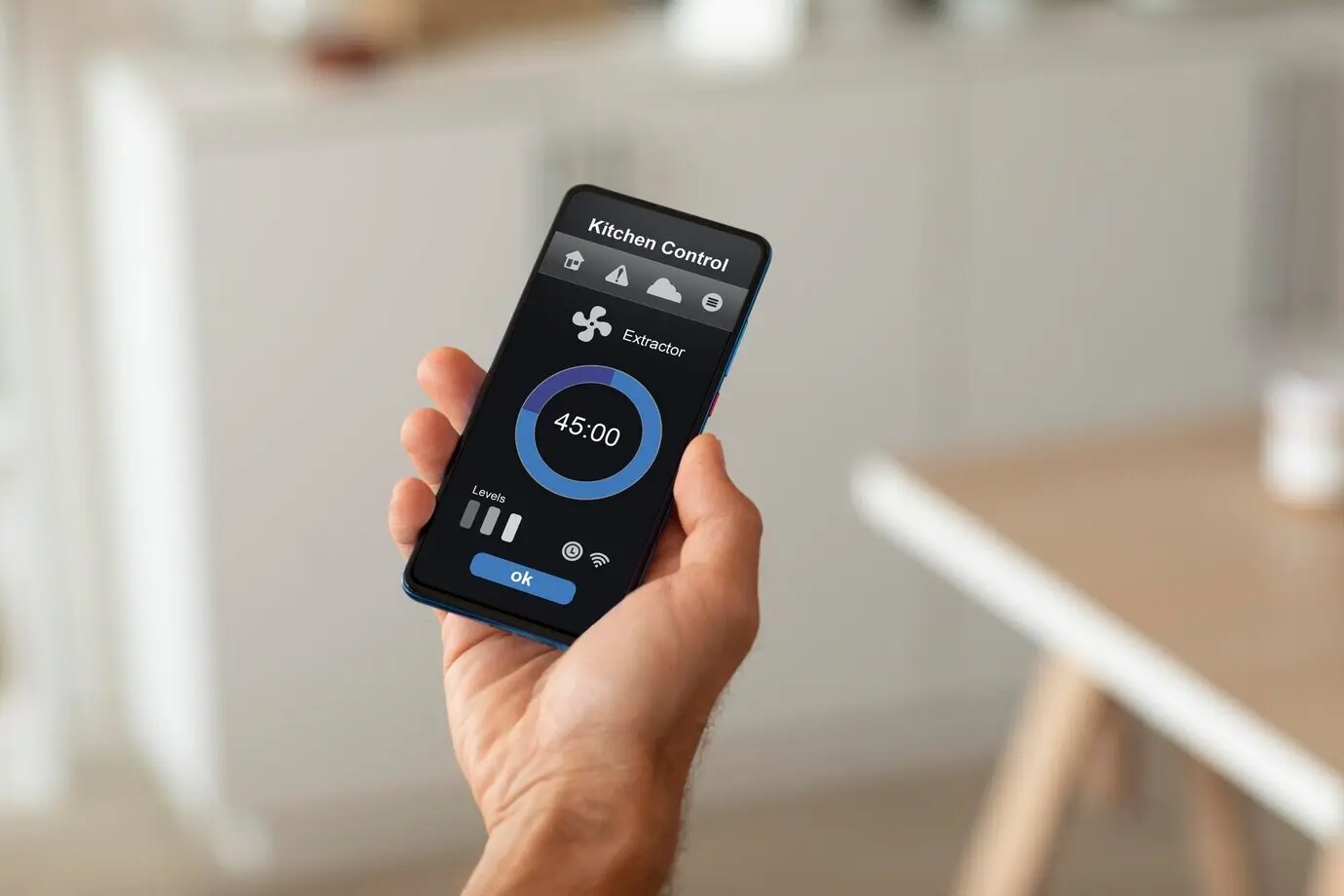

Step behind the walls and discover how concealed smart home infrastructure built on structured cabling, tidy racks, and PoE networking creates reliability you can feel but never see. We will explore device planning, quiet enclosures, power budgets, and practical tips that keep everything elegant, safe, and ready for tomorrow. Share your layout, ask questions, and subscribe for friendly guidance as your home evolves.

Room-by-Room Device Map

Walk each room and mark drops for access points, cameras, TVs, speakers, shades, sensors, and desks. Add two Ethernet runs where one seems enough, and include ceilings and exterior eaves. This visual inventory clarifies power needs, PoE classes, mounting heights, and cable pathways that future installers will gratefully understand.

Pathways, Conduits, and Future Pulls

Choose routes that avoid electrical interference and tight bends, using flexible conduit or smurf tube with generous radius and pull strings for painless upgrades. Drop spare lines to strategic boxes, media walls, and soffits. A few dollars in pathway foresight deliver years of quiet convenience and remarkably simple modernization later.

Low-Voltage Code and Safety Considerations

Respect separation between mains and low‑voltage, use firestop putty at penetrations, and select plenum or riser cable appropriate to the space. Keep cables clear of HVAC, fluorescent ballasts, and dimmers. Record permits where required. Safety choices made during rough‑in protect families, equipment warranties, and insurance claims when problems surprise everyone.

Choosing Cable and Connectors

Compare Cat6 to Cat6A and consider shielded connectors only where interference is a proven risk. Maintain pair twists to the termination, match keystones to patch panels, and avoid CCA impostors. Quality copper, certified components, and careful handling deliver real speeds and predictable PoE behavior even when conditions become unusually demanding.

Labeling That Saves Hours Later

Adopt a clear scheme that links wall plates, patch panels, and floor plans using durable labels and mirrored identifiers. Photograph every run before drywall. Add QR codes at the rack pointing to a shared map. In emergencies or late‑night resets, precise labeling turns panic into two calm, decisive minutes.

Termination, Bend Radius, and Testing

Terminate with consistent methods, favoring punch‑down blocks and keystones that match tooling. Respect bend radius, avoid staples that crush jackets, and keep slack managed. Certify new runs with wiremap and length tests. Document failures immediately, retest after remediation, and leave every port proven before furniture hides your careful handiwork forever.

The Quiet Heart: Racks, Enclosures, and Power

Wall-Mount vs Closet Frames

Wall‑mount enclosures save floor space and suit smaller homes, while open frames in a closet handle growth and airflow. Measure door swings, cable slack, and service access. Leave room for a future patch panel, NVR, and PoE expansion, because successful smart homes inevitably invite more delightful infrastructure over time.

Cooling, Noise, and Family Approval

A whisper‑quiet space wins support. Prefer passively cooled switches or select models with smart fan curves and replaceable filters. Vent the cabinet to a hallway or utility area, not bedrooms. Rubber isolators, tidy routing, and dim indicators keep midnight hums away and preserve hard‑earned goodwill for adventurous upgrades.

Clean Power, UPS, and Surge Protection

Stable power prevents mysterious glitches. Use a sine‑wave UPS sized for switch draw and graceful shutdowns, plus surge protection upstream. Label circuits, avoid daisy‑chained strips, and isolate the rack from noisy appliances. When storms visit, your network keeps humming and cameras, sensors, and lights remain calmly available.

PoE Done Right

Power over Ethernet brings cameras, access points, intercoms, and lighting to life through a single cable, but planning matters. Understand 802.3af/at/bt classes, power budgets, and heat. Select managed switches with per‑port control and logs. Decide when injectors or midspans help, and when integrated PoE switches simplify everything upfront.

Access Point Placement and Materials

Position access points on ceilings away from metal, mirrors, and ducts, roughly central to occupied areas. Brick, plaster, radiant foil, and low‑E glass weaken signals. Prewire two spots per floor for flexibility. Test with a phone and heatmap tools, then fine‑tune heights and channels for pleasantly even coverage everywhere.

Roaming, Channels, and Controller Settings

Enable fast roaming where clients support it, set minimum data rates wisely, and avoid overlapping channels. Reduce transmit power to encourage handoffs. Band‑steer gently. A controller helps coordinate dynamic channel allocation and load balancing. The result feels magically seamless, even while dozens of IoT devices bustle quietly behind the scenes.

Multi‑Gig Backhaul and Future Wi‑Fi Generations

Modern access points benefit from 2.5G or 5G Ethernet, especially with wide 6 GHz channels and dense households. Choose switches with multi‑gig ports and PoE budgets to match. Run Cat6A now and avoid replacing cables later. You will thank yourself when Wi‑Fi 7 arrives with breathtakingly hungry radios.

Security, Segmentation, and Remote Access

A quiet backbone deserves strong boundaries. Segment devices by purpose, restrict east‑west chatter, and expose nothing directly to the internet. Use WPA3, rotate credentials, and enable automatic updates. For remote control, prefer a trusted VPN or broker service. Convenience can coexist with caution when design anticipates real‑world curiosity and mistakes.

VLANs That Keep Gadgets in Their Lane

Place cameras, doorbells, TVs, and assistants in separate VLANs with limited routes to the core. Use DHCP reservations and descriptive hostnames. Apply firewall rules that allow required cloud endpoints but block lateral movement. This thoughtful segregation reduces noise, improves troubleshooting clarity, and shields sensitive devices from experimental weekend projects.

DNS, mDNS, and Discovery Across Boundaries

Smart speakers and casting often rely on multicast discovery. Employ mDNS reflection or a Bonjour gateway to bridge necessary services between user and IoT networks without opening risky access. Keep authoritative DNS fast and local. When discovery behaves, family members stop noticing the network entirely and just enjoy comfort.

Safe Remote Access Without Opening Doors

Avoid port forwarding for cameras or controllers. Use hardware VPN, WireGuard, or vendor‑hosted relays with strong authentication and alerts. Monitor login attempts and audit access logs. When trips run long, you retain control without exposing your home, and returning feels pleasantly uneventful because nothing noisy reached inside.

Commissioning, Documentation, and Upgrades

The final act turns a beautiful install into a dependable companion. Validate every run, label everything, back up configurations, and photograph the rack. Keep a simple spreadsheet and change log. Plan upgrade paths to multi‑gig and fiber. Share your progress and subscribe for fresh ideas that make future tweaks effortless.

Testing and Certification Without Tears

Run continuity and wiremap tests on every port, check length and delay skew, and validate PoE draw under load. Borrow or rent a certifier if needed. Save results to cloud storage linked by QR. When issues arise, you already hold the answers and a calm, trusted process.

Documentation You’ll Actually Use

Create a one‑page summary with rack photos, IP ranges, admin passwords in a password manager, and a contact list for vendors. Print a copy and tape it inside the door. During outages or upgrades, this compact guide removes stress and enables helpful friends to assist confidently without guesswork.

Upgrade Paths: 10G, Fiber, and PoE Lighting

Lay groundwork for tomorrow with empty conduit to key rooms, pull strings in risers, and SFP+ slots on core switches. Evaluate 2.5G now and 10G where workstations demand. Explore low‑voltage lighting on PoE. By planning today, tomorrow’s enhancements appear effortless, affordable, and delightfully invisible to everyone except you.
Kuzohezavakozukunenuke
Privacy Overview

This website uses cookies so that we can provide you with the best user experience possible. Cookie information is stored in your browser and performs functions such as recognising you when you return to our website and helping our team to understand which sections of the website you find most interesting and useful.